

Technology
High-temperature pyrolysis, made simple.
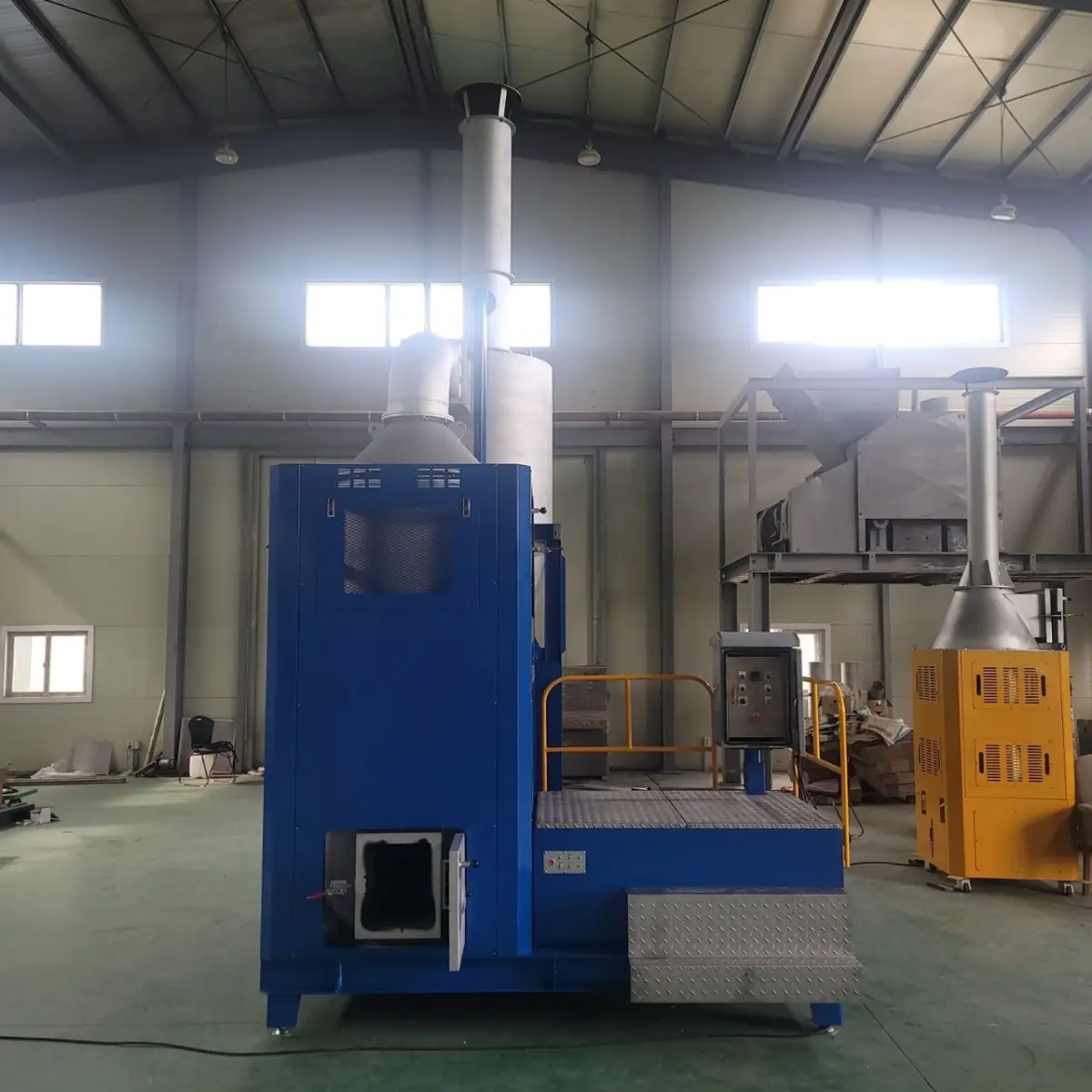
GREENASH keeps waste longer at higher heat, so harmful gases burn out inside the furnace instead of being filtered later.
Inside the furnace.
Air injected through multi-purpose nozzles divides the furnace into three to four zones. Waste stays longer in each, and dioxins break down completely.
Three chambers
Primary, secondary and tertiary chambers burn the waste in turn.
Refractory walls
Cast refractory walls hold the heat in and improve oxidation.
Gas control
A flowing air layer mixes and burns the gas, a core EURUS method.
1,250 °C
The upper chamber stays at 1,250 °C, enough to destroy dioxins.

Mixed and wet waste, no sorting.
GREENASH takes waste as it comes. Only stone, glass and metal stay out.
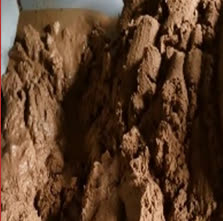
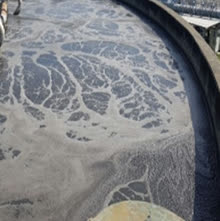
Compared with a large plant.
Central plants need trucks, pre-treatment, dioxin control and two days to start. Small units on site need none of these.
| Large combustion plant | GREENASH | |
|---|---|---|
| Handling | Regional mass collection | Units on site, 0.5–4 t/day each |
| Investment | Large plant, high upfront cost | Low cost, running in 3–4 months |
| Collection | Trucks and labour nationwide | Local collection by area |
| Start-up | About 48 hours | 20–30 minutes |
| Maintenance | High | Very low |
| Dioxin reduction device | Required | Not required |
| Waste pre-treatment | Required | Not required |
| Energy recovery | Normal | Hot air, hot water, power |
| Ash | Special waste | 1–3%, general waste |
| Reliability | Normal | Very high |
Less land, cost and pollution.
- A fraction of the land a landfill needs
- No contamination from hauling waste away
- Air pollutants below the legal standard
- A tenth of the ash other incinerators leave
- Waste heat that can be reused
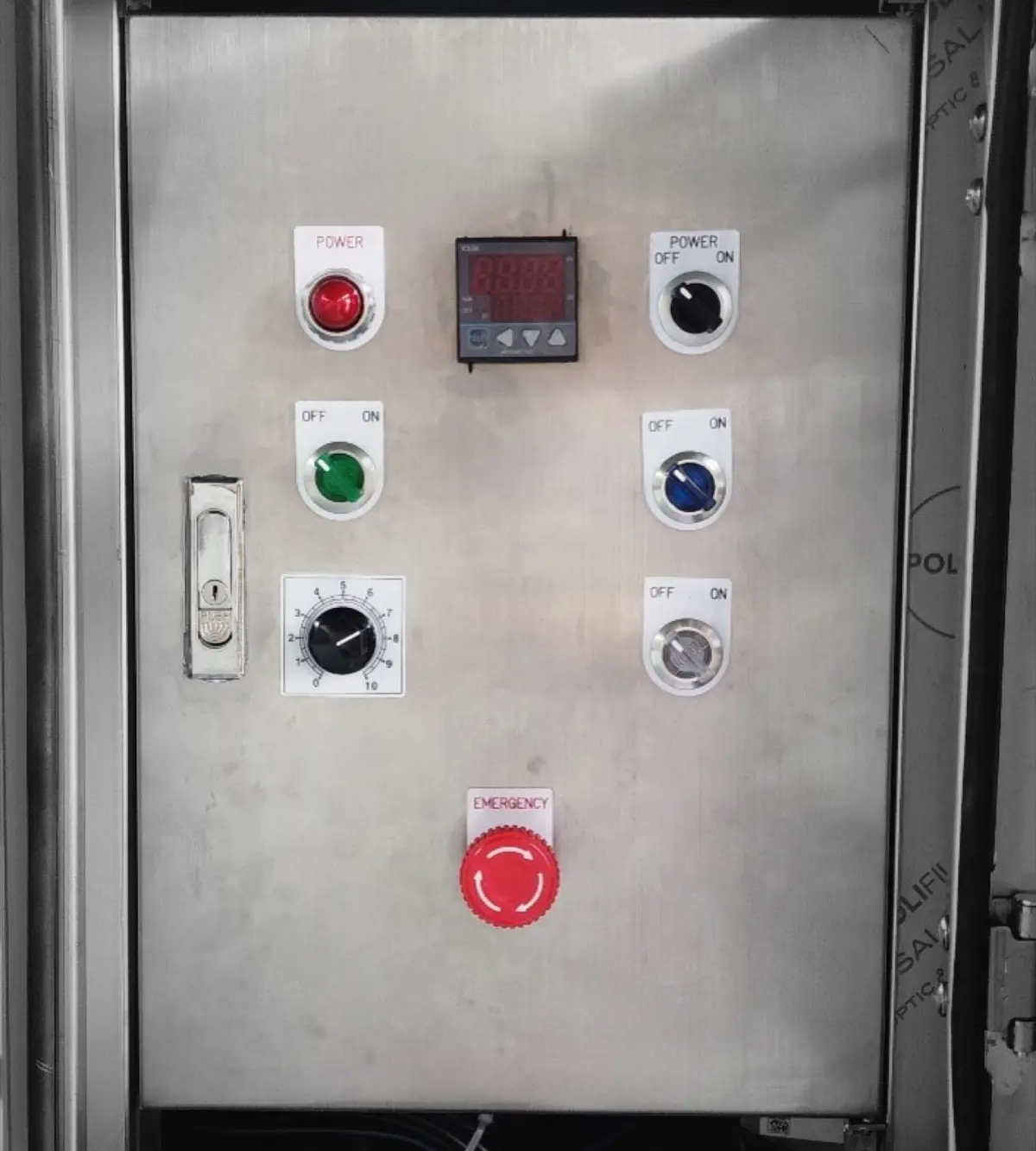
- Simple to run after short training
Common questions.
Can it be permitted in the Philippines?
Yes. A GREENASH 5 in the Philippines holds a 2026 DENR-EMB Permit to Operate. The ECC and permit are the buyer’s to file, and we provide the documents, forms and test reports.
What waste can it handle?
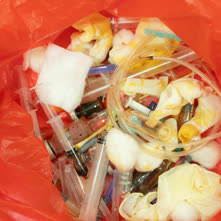
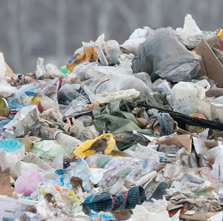
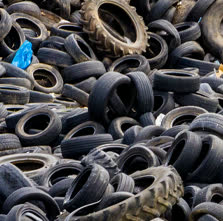
Almost all solid waste, including wet food waste, sludge, tires and medical waste. Plastic is fine if it holds no iron, while stone, glass and concrete cannot go in.
Is the ash hazardous?
Ash from treated medical waste passed a 2026 TCLP test in the Philippines. Every heavy metal tested was below DENR limits.
Is it safe near homes?
Yes. The risk of fire or explosion is very low, and the stack releases almost no smoke or soot.
What fuel do the burners use?
Diesel. A GREENASH 5 uses about 3 to 5 litres an hour.
How many operators are needed?
One or two per shift. We train them for three days on site.
How does maintenance work?
A one-year warranty covers parts and labour, with four free maintenance visits over two years. Spare parts are kept in the Philippines.
What does it save?
Consumables cost less than landfill fees, and there is no land to buy. The main cost after purchase is one operator.
Get in touch
Let’s talk about your waste.
Tell us what you need to treat and where. We will recommend the right system and visit your site.
Office
3F Salcedo One Center, 170 Salcedo St.
Legaspi Village, Makati City, Philippines
Sales & business
Exclusive distributor
GREENASH in the Philippines, since 2021